
What Is a Fence Alarm? How Fence Intrusion Detection Stops Break-ins at the Perimeter
A fence alarm uses a sensor cable attached to your existing boundary fence to detect when someone cuts, climbs, shakes or hits it. It raises an alert before anyone has set foot inside your site or reached your stock, vehicles or equipment.
That timing matters, because most security systems record a break-in rather than preventing it. A motion sensor trips after someone has made their way in, and CCTV captures what's already happening. A fence alarm is triggered the moment someone approaches your property, and can be one of the most effective ways to prevent loss and damage.
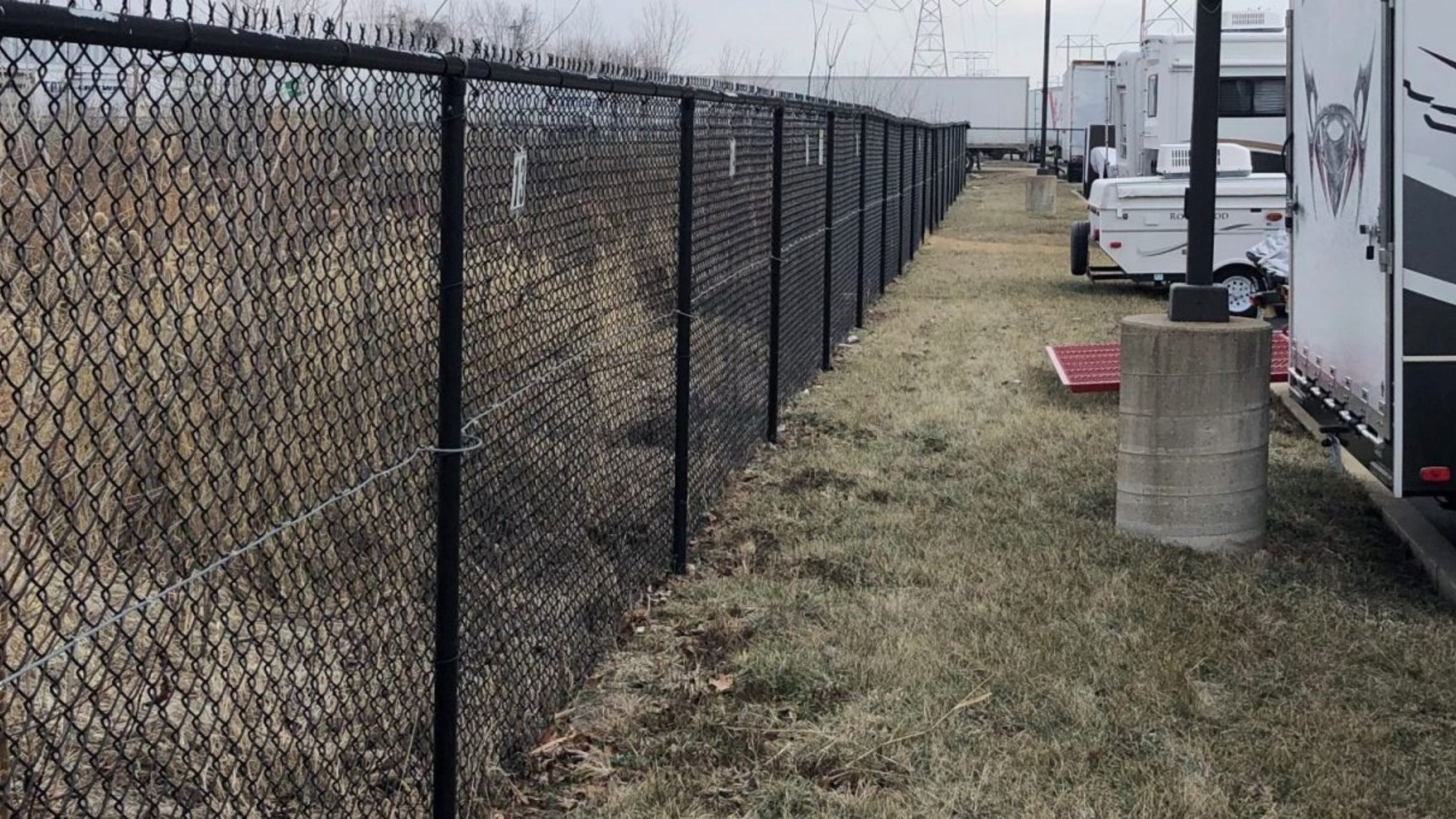
Five things worth knowing about fence alarm systems for commercial properties
- Sensors detect interference with your commercial or industrial property’s fence itself
- Zones are identified so you’ll know straight away where the incident is taking place
- They work in tandem with your security, triggering alarms and responses from your security team
- A good system can differentiate an intrusion attempt from normal fence movement caused by wind or animals
- Your fence condition, gates and response plan should all be part of the assessment.
How does a fence alarm work?
A sensor cable runs the full length of your fence and registers vibration and tampering. When suspicious activity is detected, a control unit processes the signal and identifies which ‘zone’ the activity is in, so on a long perimeter you know exactly which stretch to check.
The alert then goes to your alarm panel, CCTV system or access control, and a response follows. Depending on your setup, that might be:
- a 24/7 monitoring centre reviews the event and escalates to guards or police
- on-site security or a mobile patrol receive an alert and go straight to the affected zone
- your own team or control room responds
How is a fence alarm different from CCTV and motion sensors?
CCTV gives you eyes on an area and records evidence of an activity, and AI-enabled cameras can alert you when people or vehicles are attempting to access your premises. But a camera only covers what it can see, and it can be blocked, poorly angled or limited by darkness, fog or dust.
A fence alarm doesn't need line of sight. The cable monitors every metre of the fence it's attached to, whatever the visibility.
Motion sensors usually detect activity inside the site, after someone is already in. A fence alarm detects the attempt at the boundary.
The three work best together. Our perimeter security alarm systems guide explains how to pair fence detection with CCTV so the alert and the footage arrive at the same time.
How does a fence alarm handle false alarms?
Fences move. Wind, heavy rain, passing trucks and a possum crawling along the top rail all create vibration. A good fence alarm is designed to distinguish this normal movement from a genuine intrusion attempt, so you're not responding to every breeze.
Site conditions still play a part. A loose, damaged or poorly tensioned fence section or vegetation brushing against the fence can increase false alarms. The better condition your fence is in, the more effective your alarm system will be.
Which sites suit a fence alarm?
Fence alarms suit commercial and industrial properties where valuable assets sit outdoors overnight, or where the site is unmanned. Common examples include:
- car, truck and heavy equipment dealerships, and equipment hire yards
- transport depots, fleet yards, warehousing and self-storage facilities
- construction sites, and recycling and scrap metal yards
- solar farms, utilities and other remote installations
Smokeshield's Fence Alert is modular, covering perimeters from 75m up to 600m per processor, with zones configured to your layout. It is designed to be simple, with no moving parts, no software licences and no annual calibration required.
What should you ask before buying a fence alarm?
Your consultant should be able to answer the following questions to give you an idea of which system to choose and whether a fence alarm is the right move for your premises:
- Is my fence in good enough condition, or does any section need repair?
- How will gates and other openings be protected?
- How many zones will be allocated?
- What happens if the power or communications drop, or the cable is damaged?
- How will alerts connect to my existing alarm panel, CCTV or access control?
- Who will be able to respond when an alert comes through, and how quickly?