
Tired of Stock Loss? Retail Theft Prevention That Works
If you operate a retail store in Australia, you probably don’t need headlines to tell you theft is increasing.
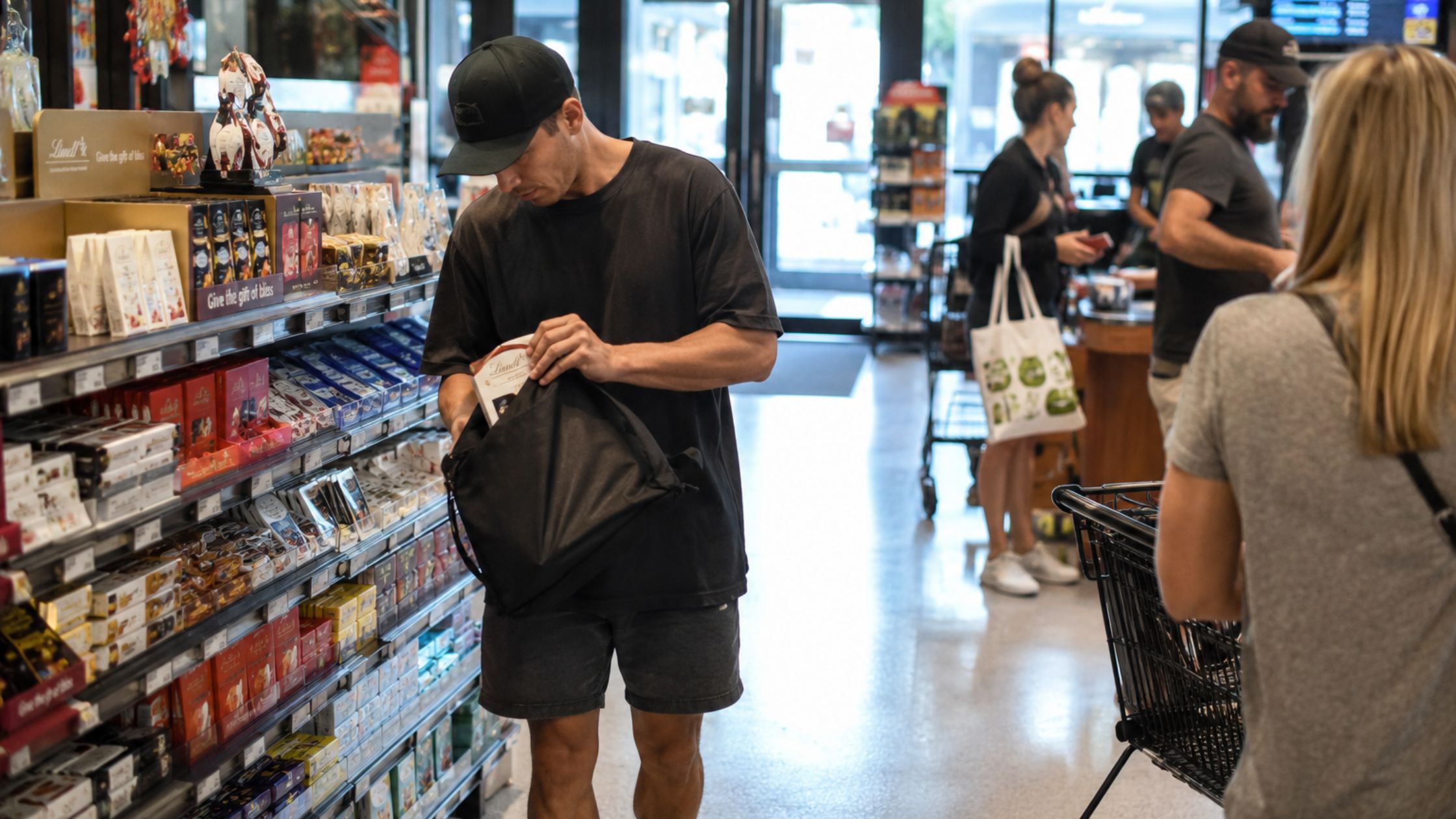
As reported by the Australian Bureau of Statistics, almost half of all theft incidents (45%) happen in retail settings. Shoplifting has become more common and organised retail crime is on the rise.
While the statistics are alarming and frustrating, there are practical strategies that can help to minimise the problem in your store.
Key takeaways:
Retail theft is rising fast: almost 45% of all theft incidents in Australia now happen in retail settings.
No single measure works alone: effective loss prevention relies on layering visible deterrents, smart store layout, trained staff, electronic article surveillance tagging, active deterrents and AI detection.
Store layout is an underused tool: positioning high-value stock near staff, reducing blind spots and keeping entry/exit points visible is a low-cost way to reduce theft.
Active deterrents and AI add real-time protection: unlike CCTV, which only records after the fact, tools like security fog and AI video analytics can interrupt theft as it happens or flag it before it occurs.
The right combination depends on store size and risk: smaller stores benefit from layout, training and EAS, while high-value or high-risk sites need a fully integrated system with quality security cameras and AI solutions built in.
What’s driving Australia’s rise in retail theft?
Several factors have combined to create a more difficult environment for retailers, making it harder to prevent stock loss with basic security measures:
Cost-of-living pressures: As household expenses continue to rise, more retailers are experiencing opportunistic theft involving everyday items.
Organised retail crime: Professional theft rings are increasingly targeting high-value products such as electronics, cosmetics, alcohol, luxury goods and even LEGO.
Reduced staffing levels: Many businesses are operating with leaner teams than they had before the pandemic, which leaves more blind spots.
More sophisticated theft techniques: From distraction methods and booster bags to exploiting self-checkout systems, thieves are constantly trying to keep a step ahead of retail security.
Retail theft prevention strategies that actually work
Preventing stock loss in retail requires a layered approach that combines visible deterrents, trained staff and technology that can detect and disrupt theft before it happens.
1. Start with visible deterrents
Simple measures like security mirrors, locked display cabinets, clear signs and visible CCTV cameras make someone think twice before attempting to steal.
These are mostly affordable and easy to implement, but don’t expect them to do the whole job on their own.
2. Make your store layout work for you
Your store layout is doing more work than you realise when it comes to theft prevention.
Keeping high-value stock near the register or in areas where staff are regularly present makes those items a much harder target. It is good to note that it’s worth reducing blind spots where you can; lowering shelving helps, and making sure your entry and exit points are easy to see from inside the store goes a long way.
3. Invest in staff training
Having a confident, well-trained and visible team is one of the best ways to minimise theft.
Greeting customers, staying active on the shop floor and knowing how to respond to suspicious behaviour can discourage theft before it happens.
Don’t forget theft can also be internal: ensure your staff know their activity is being overseen (within reason).
4. Use EAS tagging
Electronic Article Surveillance (EAS) is tried, tested and reliable. These are the tags that have to be deactivated by a team member or they will trigger an alarm when the item leaves the store. When supported by good store processes, EAS can prevent many thefts before they become costly losses.
5. Add active deterrents
Traditionally, cameras record incidents after they occur, which can help catch the thieves but won’t resolve the issue of stock loss and damage.
The latest retail loss prevention solutions include security fog, monitored alarms and audio warnings. These interrupt offenders during the incident, reducing the time they have to steal merchandise and leave the store.
Fog security is particularly effective because it is a preventative strategy and can reduce theft in up to 97% of cases. The fog ensures a total loss of visibility, and is non toxic so it doesn't damage stock and no clean up is required.
6. Use AI to stay one step ahead
Modern video technology can identify suspicious behaviour before a theft takes place.
Rather than recording footage to be viewed after a break-in happens, Smokeshield’s AI security can detect patterns such as prolonged loitering, concealment behaviour and repeat visits, and alert staff or monitoring teams to respond instantly.
This technology adds another layer of intelligence that strengthens every other part of your security system.
Choosing the right stock loss combination for your retail store
To reduce theft, smaller independent stores often see good results by focusing on strong layouts, training staff to be vigilant and investing in EAS tagging.
Mid-sized retailers can build on that foundation by adding monitored CCTV and active deterrents like fog.
For stores and warehouses with high-value stock or a greater risk of theft, a fully integrated approach that includes AI detection and professional monitoring offers the strongest level of protection.
If you’re planning a security upgrade to minimise theft, our guide to retail security systems for Australian stores explains how CCTV, EAS, monitoring and active deterrents work together to protect your business.
Book a free retail security assessment
A professional security assessment takes the guesswork out of theft reduction and will help you invest in the measures that will make the biggest difference for your store.