
Where to Position Security Cameras in Commercial Business Premises
You have security cameras for your business… but are they in the right places?
It doesn’t matter how high-tech your security system is; if you haven’t thought about the layout of your cameras, you will end up with gaps in your coverage.
As a retailer, warehouse or other commercial facility, here’s how to improve security camera installation so you improve staff safety, prevent stock loss and speed up your incident response capabilities.
Key takeaways
- Security camera placement is just as important as the cameras themselves if you want effective surveillance.
- Commercial businesses need different placement strategies from residential properties.
- Entry points, cash handling areas, loading docks and blind spots that employees or security staff can’t always monitor should always be prioritised.
- Privacy compliance needs to be kept in mind, with no cameras in showers, change rooms or toilets
- Professional security camera installation helps ensure proper coverage and compliance.
Where to install security cameras in your business
1. Entry and exit points
Entrances and exits are among the most important areas to monitor in any commercial premises. These locations provide visibility over who enters the building, when they arrive, and how they leave.
Positioning cameras at entry and exit points allows you to:
- Monitor customer and staff movement
- Record incidents or suspicious behaviour
- Support investigations if theft or vandalism occurs
Cameras should be placed high enough to avoid tampering, while still capturing clear facial detail where possible.
2. Cash handling and payment areas
Any location where money changes hands should be covered by surveillance. This includes registers, reception desks, payment counters and safe access areas.
Security cameras in these zones can help deter theft, support staff safety and provide evidence during disputes or investigations.
Positioning is important here. Cameras should capture activity clearly, without obstruction from shelving, signs or glare that comes from overhead lights. Make sure your staff are aware that they are being recorded.
3. High-value stock and storage areas
Retailers, warehouses and commercial facilities often focus heavily on customer-facing areas while overlooking stock rooms and storage spaces, but thieves know this and will attempt to take advantage.
High-value inventory areas should always be included in a security camera installation plan. These areas can be vulnerable to internal theft and unauthorised access.
For warehouses, make sure cameras clearly capture:
- Stock storage zones
- Restricted access areas
- Equipment storage
- Dispatch sections
For retailers, think about:
- Back-of-house inventory rooms
- Premium product displays
- Stock delivery areas
4. Loading docks and delivery zones
Loading docks are among the most commonly overlooked areas in commercial security planning. These locations often experience high movement of goods, contractors, vehicles, and staff throughout the day, and they create an entry point for opportunistic thieves when left unattended.
Without proper camera coverage, you and your team will struggle to investigate missing stock, delivery disputes or unauthorised access.
Security cameras should provide visibility across:
- Delivery vehicle access
- Goods handling areas
- Roller doors and gates
- Staff entry points near loading zones
5. Blind spots inside and outside the premises
Common problem areas include corners, stairwells, side entrances, alleyways and poorly lit external spaces. If someone falls over or there is a break-and-enter, a missed camera placement means there will be no evidence to follow up on.
A professional security camera provider should assess your premises carefully to let you know the areas where visibility may be limited.
Position security cameras with privacy in mind
Businesses in Australia still have to think about privacy when installing surveillance systems.
According to business.gov.au, while you have the right to install security cameras around your business, you need to ensure that surveillance is reasonable, clearly communicated, and compliant with workplace and privacy expectations.
This is especially important in shared commercial spaces, staff facilities, healthcare environments and hospitality venues. Never install cameras in fitting rooms, shower areas, toilets or change rooms.
Why professional security camera installation matters
Every commercial premises has different risks, layouts and operational requirements. Camera placement that works well for a retail store may not suit a warehouse, healthcare facility or hospitality venue.
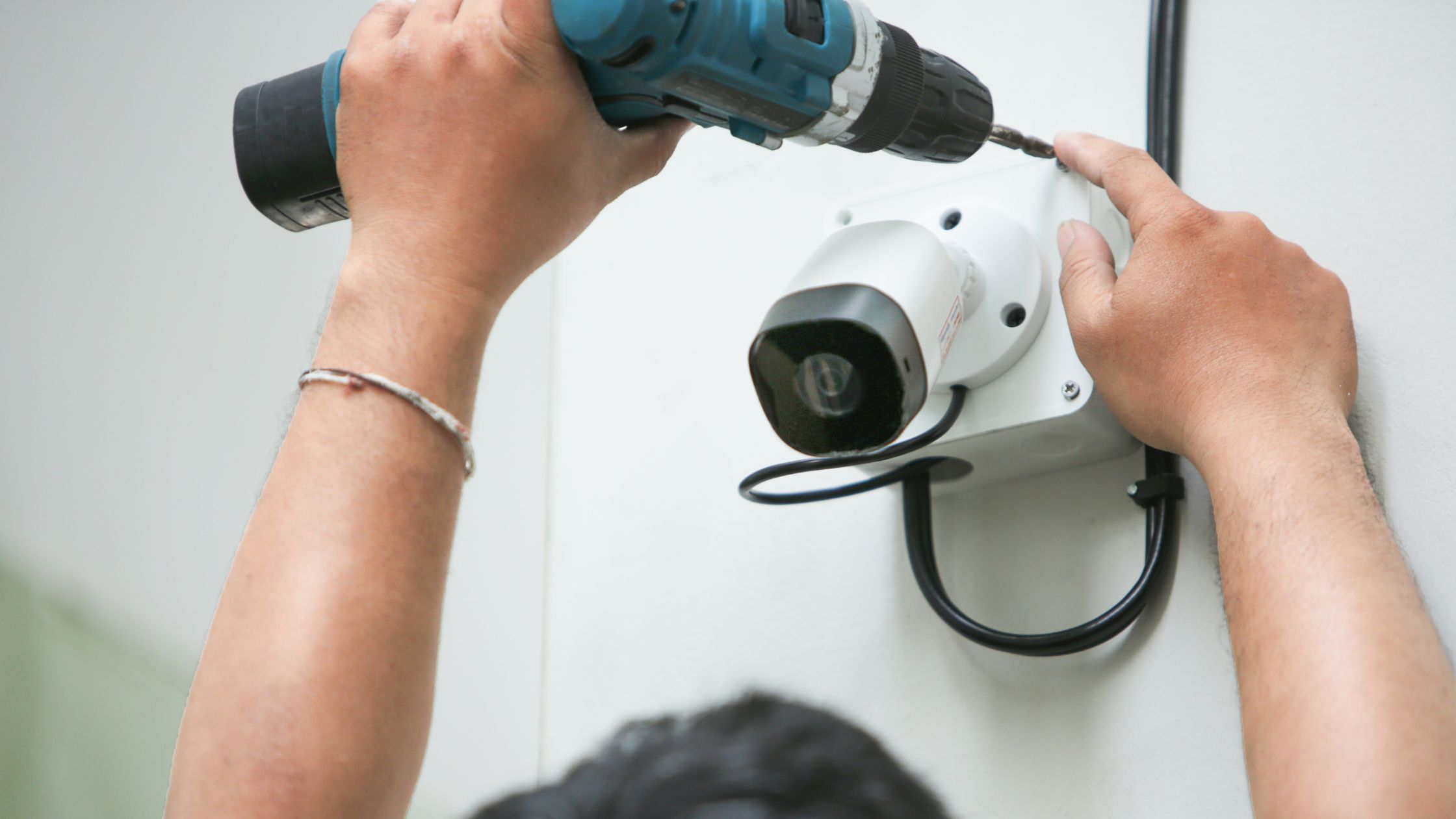
As providers and installers of CCTV, we assess your property, identify vulnerable areas and position cameras for optimal coverage. This will help you avoid blind spots, poor image quality and unnecessary system limitations.
We can also provide recommendations on additional equipment to further enhance the effectiveness of your security and work with your CCTV cameras, including:
- Advanced AI which works with your CCTV cameras to identify and provide instant alerts for suspicious or dangerous behaviour and safety issues.
- Fog machines to stop thieves in their tracks once they’re in your premises.
- Fence security system to identify and provide instant alerts for perimeter violations to deter thieves getting into yards.