
How AI is Reducing WHS Stress and Costs
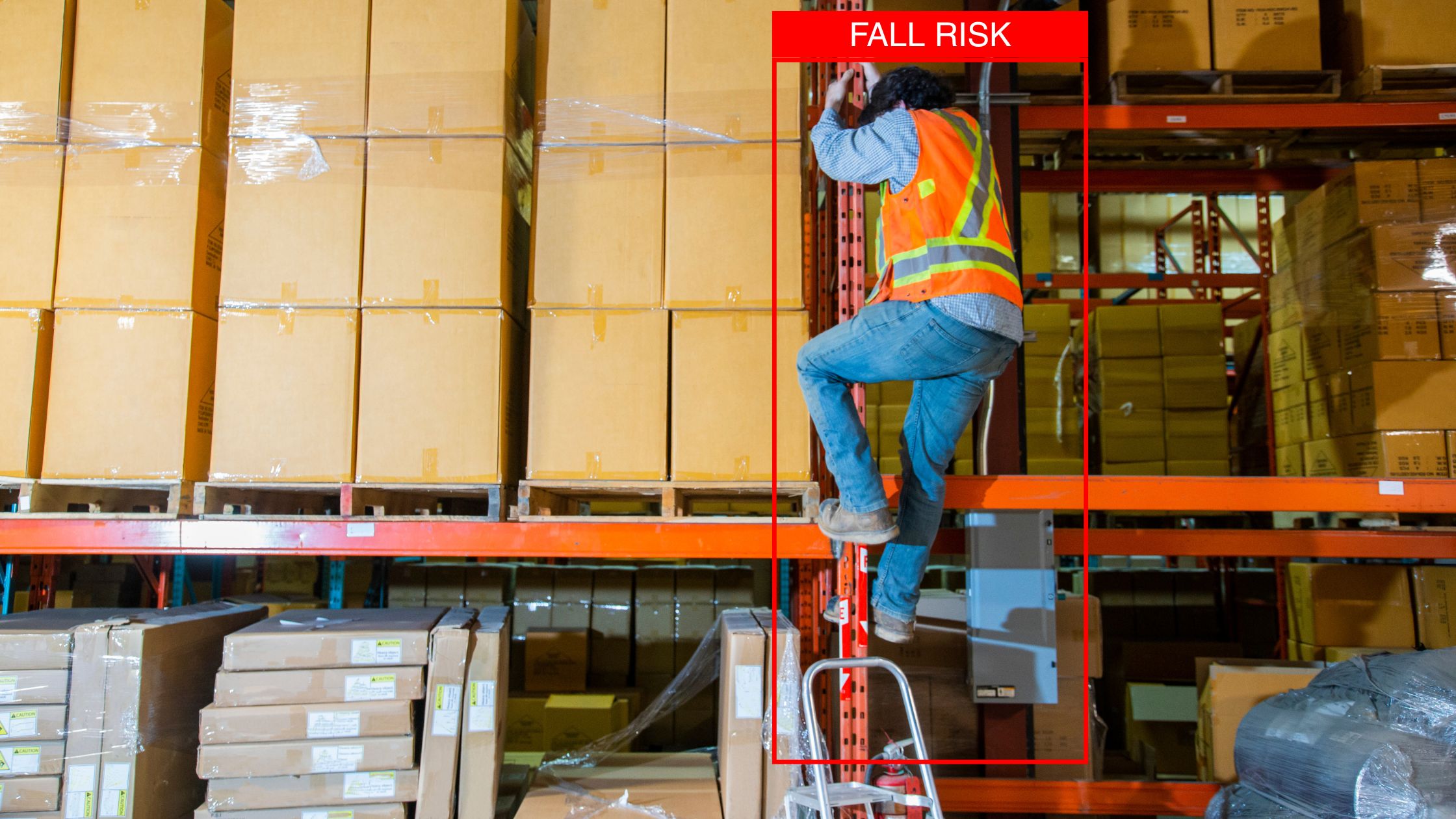
AI workplace safety systems Australia — continuously detect workplace hazards, prevent incidents and reduce WHS stress and costs with automated monitoring.
146,700 is a big number…
That’s how many serious workers’ compensation claims involving at least one week of working time lost were reportedly submitted in Australia in 2023/2024.
Accidents and injuries are always costly due to insurance claims, time off work and the need to file reports or even go to court, yet they are often preventable.
While all business owners understand the importance of WHS, the challenge is balancing compliance requirements and proactive steps with costs and people’s time. Fortunately, technology is making this easier.
Take a look at why savvy businesses incorporate AI to continuously monitor environments and detect risks in real time.
- Resolving a $30 billion problem: What AI workplace safety technology actually does
- How AI prevents workplace incidents
- Why real-time hazard detection is a game-changer
- Who benefits from AI in workplace safety
- How AI reduces WHS risks and management costs
- How to get started with AI workplace safety
Resolving a $30 billion problem: What AI workplace safety technology actually does
Workplace accidents cost Australian businesses $30 billion every year.
AI workplace safety technology uses existing camera systems and environmental data to monitor worksites continuously. It analyses behaviour, movement and surroundings to identify potential risks as they emerge.
Unlike traditional safety processes, which depend on scheduled checks or human observation, AI operates around the clock and flags issues the moment they occur, giving your team the opportunity to act before a situation escalates.
This shift turns workplace safety from a reactive task into an ongoing, automated process that supports your team without adding to their workload.
How AI prevents workplace incidents
The strength of AI WHS technology lies in its ability to recognise patterns and respond instantly. It does not rely on memory, attention or availability, which are common limitations in busy environments.
AI systems can:
- Monitor live video feeds and detect unsafe behaviour
- Identify risks as they develop rather than after an incident
- Trigger real-time alerts so teams can respond immediately
- Provide consistent oversight across all areas of a site
This creates a safer environment where risks are addressed early, reducing both the frequency and severity of incidents.
Why real-time hazard detection is a game-changer
Many workplace incidents stem from everyday hazards that are easy to overlook. AI brings these risks into focus by identifying them as they happen.
Common examples include:
- Unsafe manual handling practices
AI can detect unsafe lifting techniques, poor posture and repetitive strain patterns, helping prevent injuries before they occur. - PPE non-compliance
Missing safety gear such as helmets or high-visibility clothing can be identified instantly, allowing for immediate correction. - Restricted area access
AI can flag unauthorised entry into hazardous zones or unsafe use of equipment, improving control over high-risk areas. - Slips, trips and environmental hazards
Obstacles like cables, spills or clutter can be recognised in real time, allowing teams to act before an incident occurs. - Fatigue and unsafe behaviour
Patterns linked to fatigue or reduced alertness can be detected over time, offering insights that are difficult to capture manually.
Who benefits from AI in workplace safety
AI workplace safety technology supports business owners and safety teams by reducing pressure and improving visibility.
Instead of relying on constant manual oversight, teams can focus on decision-making and response while AI handles continuous monitoring. This leads to:
- Fewer incidents and disruptions
- Lower insurance and compliance costs
- Faster response times
- Improved confidence in safety processes
The technology isn’t about replacing humans, but making life easier and less task-intensive.
How AI reduces WHS risks and management costs
Workplace incidents cost Australian businesses through lost productivity, claims and administrative burden, creating expenses that can easily be avoided.
AI helps reduce these costs by:
- Preventing incidents before they happen
- Automating hazard detection and reporting
- Providing clear, searchable evidence for compliance and incident reports
- Reducing reliance on manual inspections
Having quality systems can also help to reduce insurance costs.
The latest technology integrates with existing camera systems, which means businesses can upgrade their safety approach without significant infrastructure investment.
How to get started with AI workplace safety
If your current WHS approach relies heavily on manual processes, AI offers a more efficient and reliable alternative.
Smokeshield’s Workplace Safety Suite uses the latest AI agent technology to monitor different types of risks across your site, providing real-time alerts and continuous oversight. Your team stays in control, while the system handles detection and monitoring in the background.
To reduce WHS risk, lower costs and take the pressure off your team, contact Smokeshield to request a demonstration and see how AI can support your workplace safety strategy.